

But people don’t usually associate sacrificing your physical health with lowered productivity. In fact, your physical health is integrally linked with your cognitive performance and quality of life, yet in the U.S. only 1 in 8 adults have optimal metabolic health and that number is only getting worse.
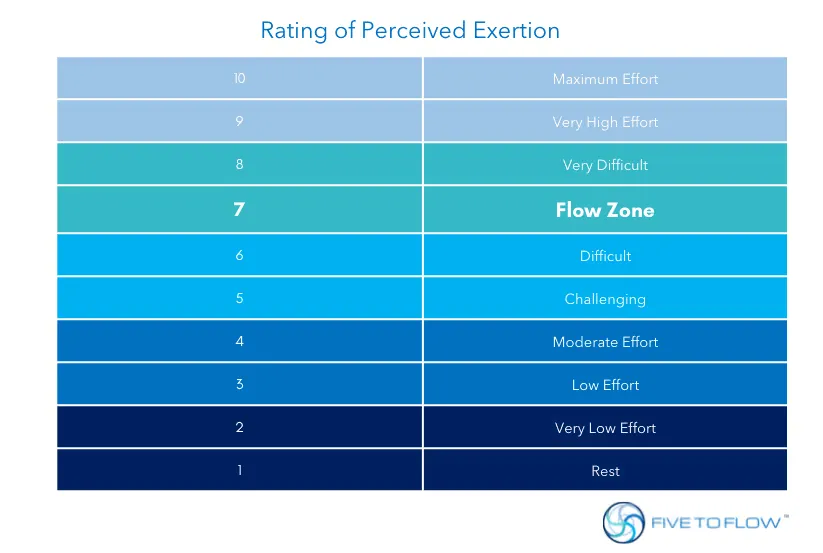
Better energy, with fewer ups and downs and less reliance on the manic adrenaline-based energy throughout the day, as well as better ability to handle stress and better mood in general, were some of the most common highlights from these clients. The gym was less of an obligation as time went on, and became more of a required element for peak performance as well as the quality of life.
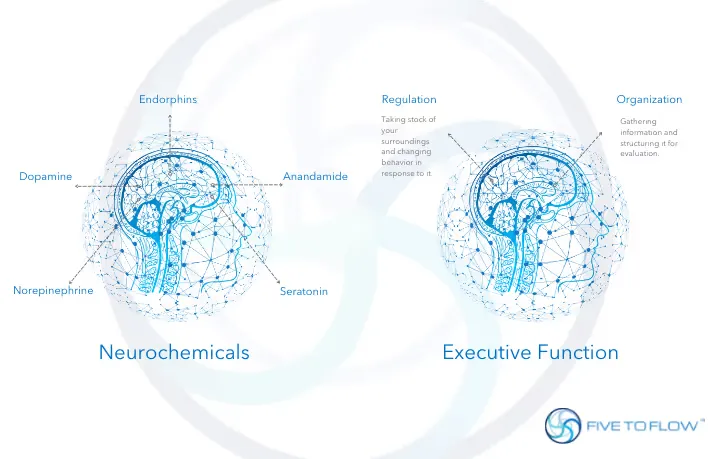
Even if flow isn’t your primary concern, a depleted body leads to a depleted mind, and the first thing to go once you’re in this depleted state is your executive function. Things like your ability to pay attention, manage time, initiate actions, organize, remember details or handle frustration are all affected. This makes you more easily distracted, more reactive and impulsive, less self-aware, and worsens the quality of your decision-making. This diminished executive function makes everything you do feel harder and more taxing than it needs to be, thus perpetuating the cycle of exhaustion and reduced performance.
“Exercise is also strongly associated with a reduced risk of dementia late in life. People who exercise regularly in middle age are one-third as likely to get Alzheimer’s disease in their 70s as those who did not exercise. Even people who begin exercising in their 60s have their risk reduced by half.” – New York Times Op-Ed titled “Exercise on the Brain”
The good news about the benefits of exercise is that it doesn’t take much to begin to see the effects. Many studies have found that as little as a 30-minute walk done three times per week is enough to see measurable improvements in cognition and markers of health. This is just the baseline, however, and many people will find even more benefits by building up to a moderate level of exercise daily for about 30-45 minutes. There is obviously an inflection point with exercise though, and too much can put us back in that exhausted/depleted state and sap our energy and undermine productivity. So, if boosting cognition is part of your goal when hitting the gym, aim to feel energized and in good spirits by the time you’re done.
“Exercise should be thought of as a supplement that is immensely powerful for state regulation, soothing the central nervous system, elevating mood, and priming your cognition for optimal performance.” -Flow Research Collective
If you are interested in learning more about how Five to Flow can improve the five core elements of your organization, contact us today. For more information on flow concepts and how they improve business health, visit the Collective Voices blog for more articles.