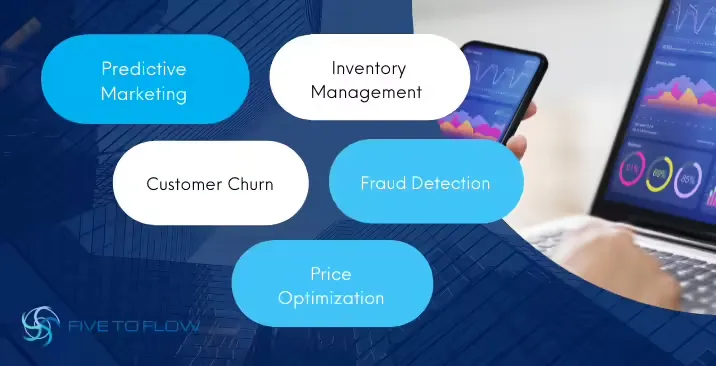
Here are five ways B2C and B2B brands can use predictive analytics to accelerate growth in 2023.
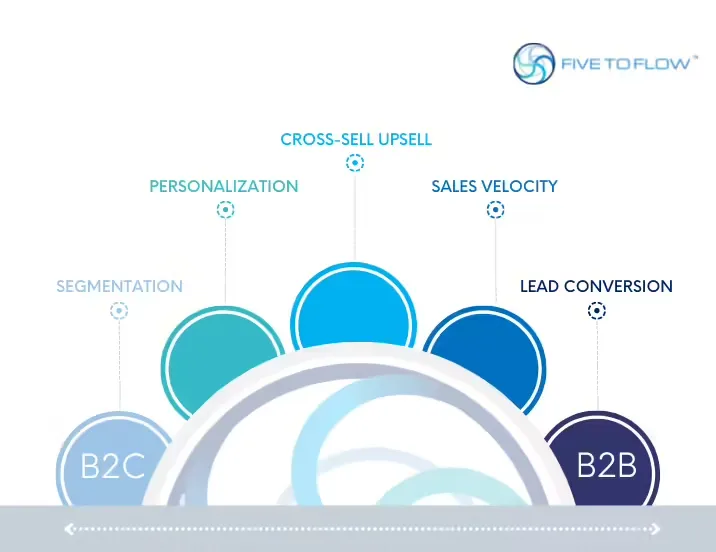
B2C brands can use predictive analytics to analyze the behavior of customers who have purchased a particular product. They can then use this data to create targeted email campaigns that offer complementary products or services to those customers. They could also cross-sell or upsell those customers based on related products that complement other products they have purchased in the past. This intelligent and personalized approach can increase the likelihood of a customer making a purchase and also improve retention and brand advocacy.
B2B brands can use predictive analytics to improve sales velocity by predicting lead behaviors at specific stages in the buying process. Marketing can use sophisticated algorithms and AI to automate workflows and arm their sales team with the right content at the right buying stage to improve conversion rates.
A B2C subscription-based business can use predictive analytics to analyze the behavior of customers who have canceled their subscriptions in the past. They can then use this data to identify customers who are at risk of canceling and offer them customized incentives to encourage them to continue their subscriptions.
A B2B software as a service company can use predictive analytics to manage their annual contracts with customers and make recommendations to their sales team on what products and solutions to upsell. Not only does this improve customer retention and lifetime value, but it also increases sales productivity.
4. Fraud is a significant problem for many businesses, particularly those in the financial services industry. According to estimates, e-commerce losses to online payment fraud were estimated at 41 billion U.S. dollars globally in 2022, up from the previous year. The figure is expected to grow further to 48 billion US dollars by 2023. Predictive analytics can help brands detect fraudulent activities by analyzing historical transaction data and identifying patterns and anomalies that may indicate fraudulent behavior.
Retail and commercial banks can use predictive analytics to analyze historical transaction data to identify patterns that may indicate fraudulent activity. They can then use this data to create algorithms to detect and prevent fraudulent transactions in real time. Furthermore, there are tools available that will look at new and existing customer databases to identify those with a history of fraud to trigger additional monitoring.
A B2B or B2C e-commerce business can use predictive analytics to analyze historical sales data and identify trends in pricing, demand, and supplier backlog. They can then use this data to adjust their pricing strategy to maximize revenue while remaining competitive.
Predictive analytics is a powerful tool that B2B and B2C brands can use to accelerate growth in 2023. These are just five examples, but there are many other innovative ways for brands to use the power of data and business intelligence to make more informed decisions and strengthen relationships with their customers. By harnessing the power of data, brands can make data-driven decisions that help them optimize their marketing, inventory management, customer retention, fraud detection, and pricing strategies. Brands that invest in predictive analytics will be better positioned to sustain competitive advantage and drive sustainable growth in the future.